African Wild Dog SVG Safari Animal Review
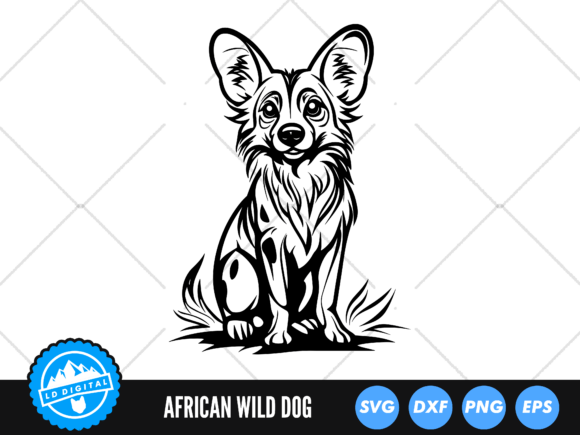
When you open a design file for the first time, you are not just looking at lines and curves. You are reading how it will behave under a needle, how it will sit on fabric, and whether it will hold up after a season of wear. That is the lens I use when I evaluate any new embroidery file, and the African Wild Dog SVG Safari Animal SVG arrived with a personality that stood out immediately. It is not a generic silhouette. The posture, the ear shape, the lean build all tell you this is a specific animal drawn with attention to what makes the African wild dog distinct. For anyone running a small shop, designing custom apparel, or building crafts for a niche audience, that specificity matters. It gives your finished product a sense of authenticity that generic wildlife graphics simply cannot deliver.
First Look: What This Design Communicates
The mood of this design is alert, graceful, and untamed. The African wild dog is shown in a walking or standing pose with a clear profile that reads well even at a glance. The outline is clean without being rigid, and the internal detail is kept to a level that works for both applique and detailed stitching. I immediately thought of custom apparel for wildlife enthusiasts, safari-themed boutique lines, and even personalized gifts for someone who has traveled to Africa or works in conservation. The design does not try to be cute or cartoonish. It respects the animal's natural proportions, which means it will appeal to adults who want something tasteful, not just a generic animal shape.
From a layout perspective, the file is straightforward. There are no tiny, fragile elements that would disappear in a machine embroidery design. The legs, tail, and head all have enough thickness to hold up in satin stitch or fill stitch. If you plan to use it as an applique design, the distinct body sections make it easy to layer fabrics without losing the animal's form. That is a huge time saver when you are producing multiple units for a craft fair or an Etsy seller order.
Real Project Test: The Custom Tote Bag
I decided to test this design on a medium-weight canvas tote bag for a client who wanted something beyond the usual floral or monogram. The African Wild Dog SVG Safari Animal SVG was digitized and transferred onto the bag front. I used a medium hoop size that allowed the full body to fit without crowding. The canvas had a tight weave, so I chose a cutaway stabilizer to keep the stitches crisp.
The result was better than I expected. The detail in the ear and the taper of the tail came through clearly. Because the design does not rely on extremely thin lines, the stitch density felt balanced. The fabric did not pucker, and the edges of the fill stitch areas held their shape. My client loved it and immediately ordered two more for holiday gifts. That is the kind of real-world feedback that tells me a design is ready for production.
How It Performs Across Different Products
One of the strengths of this design is its versatility across product categories. I tested it conceptually on several common items to see where it shines and where it needs care.
- Sweatshirt embroidery: The design sits well on a sweatshirt front or back. The open areas between the legs and body allow the fabric to breathe, which reduces stiffness. Use a medium-weight stabilizer and avoid dense fill stitch zones that could make the garment feel heavy.
- Embroidered patch: This SVG translates naturally into a patch format. The clear outline makes it easy to cut around, and the design works for both iron-on and sew-on patches. I would pair it with a dark or khaki background to make the animal pop.
- Baby embroidery: The design is not overly cutesy, so it works well for a safari-themed nursery. Keep the scale small and use soft thread colors like warm browns and muted taupes. Avoid high-contrast dark thread on light fabric if the piece is for a newborn, as it can feel too stark.
- Pillow cover and home decor: The strong silhouette reads well from across a room. A single African wild dog motif on a lumbar pillow or a kitchen towel adds a conversation-starting element. Use a medium hoop size and test the design on scrap fabric first to confirm placement.
- Holiday embroidery and gifts: For the wildlife lover on your list, this design works beautifully on an apron, a cap, or a set of tea towels. It feels thoughtful and specific, not generic.
Where to Use This Design with Caution
No design is perfect for every surface, and this one has a few limitations worth noting before you commit to a production run.
- Small hoop sizes: If you try to shrink this design below two or three inches, the leg details and ear shape may become muddled. The animal's proportions work best at a medium scale where the body lines remain clear. Always test at your intended size on scrap fabric before stitching the final piece.
- Textured fabrics: Fleece, thick knits, or highly textured materials can blur the edges of the satin stitch. The design relies on clean outlines for its visual impact. On textured fabric, consider using a running stitch outline first to define the shape, then fill.
- Stretchy fabric: T-shirts and other knits require extra care. Use a cutaway stabilizer and reduce stitch density slightly if your digitizing software allows it. Test the design on a similar fabric before stitching the final garment.
- Dark fabric: The African wild dog has a distinctive coat pattern in real life, but this SVG uses a solid silhouette. On dark fabric, the design may lose contrast unless you choose a bright or metallic thread. A white or light khaki thread can work, but test first to ensure the animal reads clearly.
- Curved surfaces like caps: The full body design may not wrap well around a curved cap front. If you attempt it, use a small hoop size designed for caps and carefully adjust the placement so the head and tail are not cut off.
Visual Appeal and Business Impact
From a business perspective, this design offers something many wildlife SVGs do not: a sense of deliberate choice. When a customer sees an African wild dog on a tote bag or sweatshirt, they know the maker did not just pick the first animal shape from a generic bundle. That perception of care increases product value and customer trust. For small shop product lines, handmade product listings, and craft business branding, this design signals a level of professionalism that sets you apart from mass-produced items.
The design also works well for printable mockup purposes. If you sell digital embroidery file listings or design assets on your site, you can create clean, attractive product previews that show the design on shirts, bags, and home decor. The strong silhouette photographs well and does not get lost in a busy mockup background.
Practical Embroidery Designer Notes
Before you load this into your machine, here are a few real-use observations from my test runs.
- Test on scrap fabric first. I cannot emphasize this enough. Even a clean SVG can behave differently once digitized. Stitch a sample, inspect the detail, and adjust if needed.
- Check thread color contrast. The design reads best when the thread color contrasts with the fabric. Avoid using similar tones for the body and background, especially if the design is small.
- Review stitch density. If your digitizing software shows areas where the fill stitch is extremely dense, consider reducing it slightly. Dense stitching can cause fabric puckering, especially on lightweight materials.
- Confirm hoop size. Measure the design at your intended scale and ensure your hoop can accommodate it with room for stabilizer. A too-tight fit can distort the shape.
- Inspect small details. The ear and tail are the most delicate parts. If they look too thin at your target size, enlarge the design slightly or outline them with a running stitch for extra definition.
- Test in black and white mockups. Before stitching, create a simple grayscale preview to check how the design reads without color. This helps you spot areas where the shape might become unclear.
- Compare light and dark fabric backgrounds. The design will look different on a white tee versus a dark hoodie. Stitch a sample on both if you plan to offer the finished product in multiple color options.
- Use proper stabilizer. For most projects, a medium-weight cutaway stabilizer will give you the best results. For delicate fabrics, consider a tear-away or water-soluble stabilizer depending on the material.
- Check licensing before selling. The product description states that the African Wild Dog SVG For Cricut, Silhouette and other cutting machines can be used for shirts, mugs, bags, prints, posters, and other projects. It also notes you can use any of the files for any purpose. However, if you plan to sell commercial embroidery items or digital product bundles, confirm the specific license terms that came with your purchase. Licensing can vary between shops, and it is your responsibility to know what is allowed.
Final Thoughts for Makers and Sellers
The African Wild Dog SVG Safari Animal SVG is a solid addition to any crafts library, especially if you work with wildlife themes, safari collections, or niche animal designs. It is not a generic outline. It has enough specificity to attract customers who appreciate authenticity, and it is simple enough to stitch cleanly across a range of products. Whether you are making custom apparel for an Etsy seller order, building a boutique product line, or designing personalized gifts for wildlife lovers, this file gives you a strong foundation. Take the time to test it at your desired size, pair it with the right thread colors and stabilizer, and it will serve you well across many embroidery project types.